
Astronomy Picture of the Day ·
Approaching the Bubble Nebula
The Astronomy Picture of the Day for May 31, 2017 is “Approaching the Bubble Nebula,” a video. It is credited to Visualization Credit: NASA, ESA, and F. Summers, G. Bacon, Z. Levay, and L. Frattare (Viz 3D Team, STScI); Acknowledgment: T. Rector/University of Alaska Anchorage, H. Schweiker/WIYN and NOAO/AURA/NSF, NASA, ESA, and the Hubble Heritage Team (STScI/AURA). The original explanation runs about 117 words.
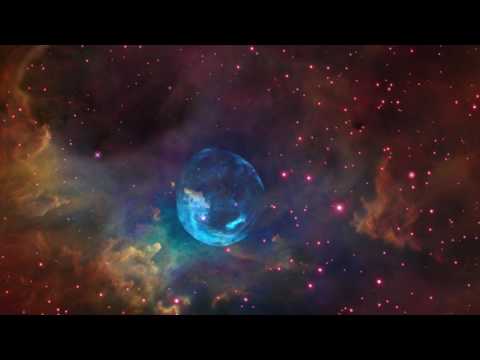 Watch the video on the original page
From the explanation
“What would it look like to approach the Bubble Nebula? Blown by the wind and radiation from a massive star, this bubble now spans seven light-years in diameter.”
— APOD editors, May 31, 2017
Read the full explanation on science.nasa.gov
Advertisement
At a glance
- Date
- May 31, 2017
- Type
- Video
- Credit
- Credit: Visualization Credit: NASA, ESA, and F. Summers, G. Bacon, Z. Levay, and L. Frattare (Viz 3D Team, STScI); Acknowledgment: T. Rector/University of Alaska Anchorage, H. Schweiker/WIYN and NOAO/AURA/NSF, NASA, ESA, and the Hubble Heritage Team (STScI/AURA)
- Copyright
- No copyright notice on the entry. Check the credited institution’s own usage rules before reusing it.
- Explanation length
- About 117 words